What to Wear in India
A Packing Guide for Every Season and Region
Light, breathable and respectful: how to dress for India's climate and culture, from desert nights to temple visits.
Packing for India is easier than many first-time visitors expect. The country is relaxed about what travellers wear, but a little thought goes a long way: you will be more comfortable in the heat, better prepared for cool desert nights, and welcomed warmly at temples and mosques.
This guide covers what to wear in India by season, by region and by occasion, with a simple packing checklist at the end.
The golden rules
- Choose breathable, natural fabrics. Cotton and linen keep you cool and dry quickly.
- Cover shoulders and knees at religious sites. This applies to everyone, and it is appreciated more widely in smaller towns.
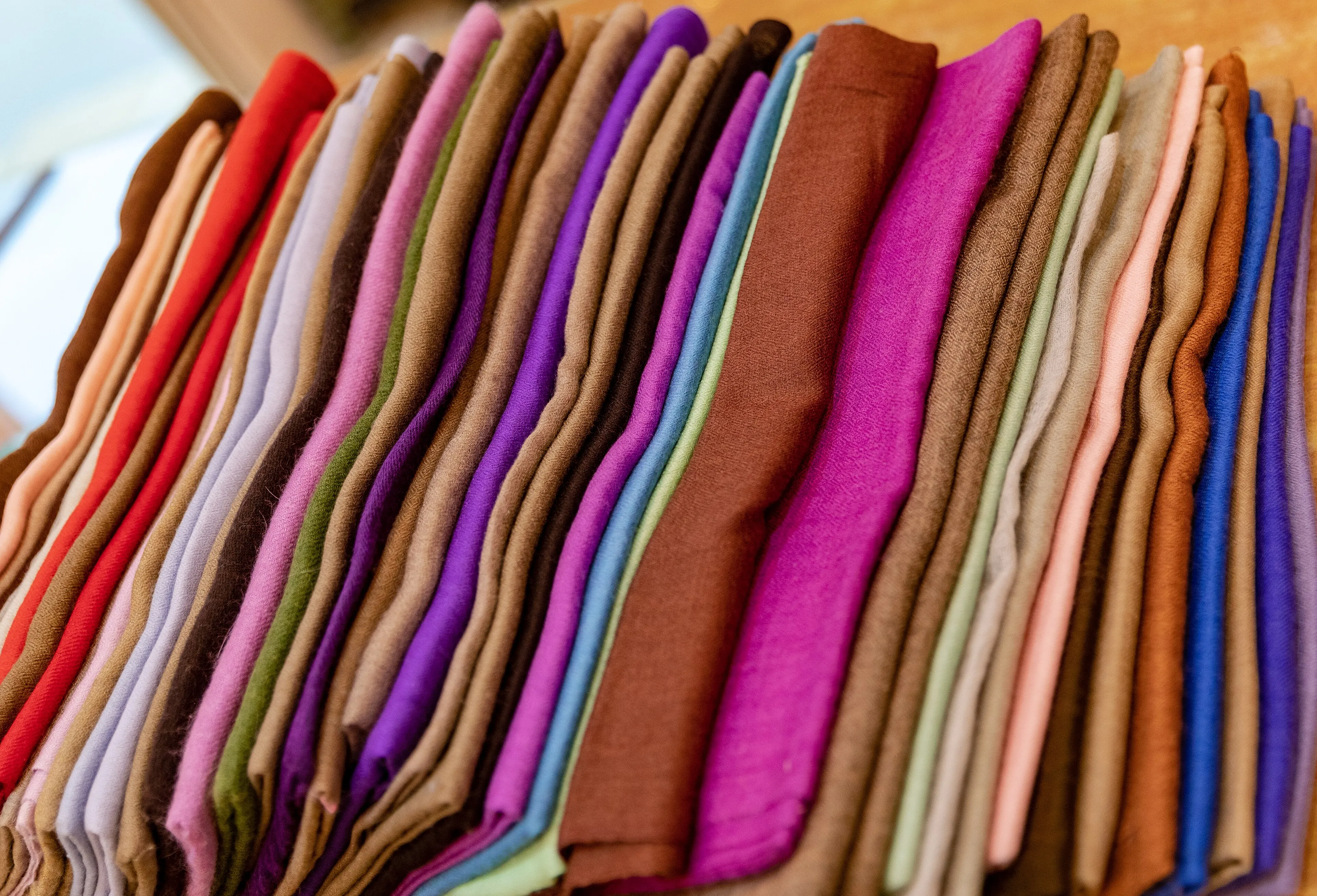
- Carry a scarf or shawl. It covers shoulders or your head when needed, and doubles as a light layer.
- Wear shoes that slip on and off. You will remove them often at temples, mosques and some homes.
- Pack layers. Mornings and nights can be far cooler than the afternoons.
What to wear by season
October to March
This is the main travel season for most of India. Days are warm and pleasant, but nights can be cold, especially in December and January across Delhi, Agra and Rajasthan. Pack lightweight clothing for the day plus a warm sweater or fleece and a light jacket for early mornings and evenings.
April to June
The heat builds quickly across the plains. Loose, long, light-coloured clothing protects you from the sun better than shorts and tank tops. A wide-brimmed hat and good sunglasses are essential.
June to September
During the monsoon, choose quick-drying fabrics, a compact umbrella or light rain jacket, and footwear that copes with wet streets. Leave delicate shoes at home.
What to wear by region
Delhi, Agra and Jaipur
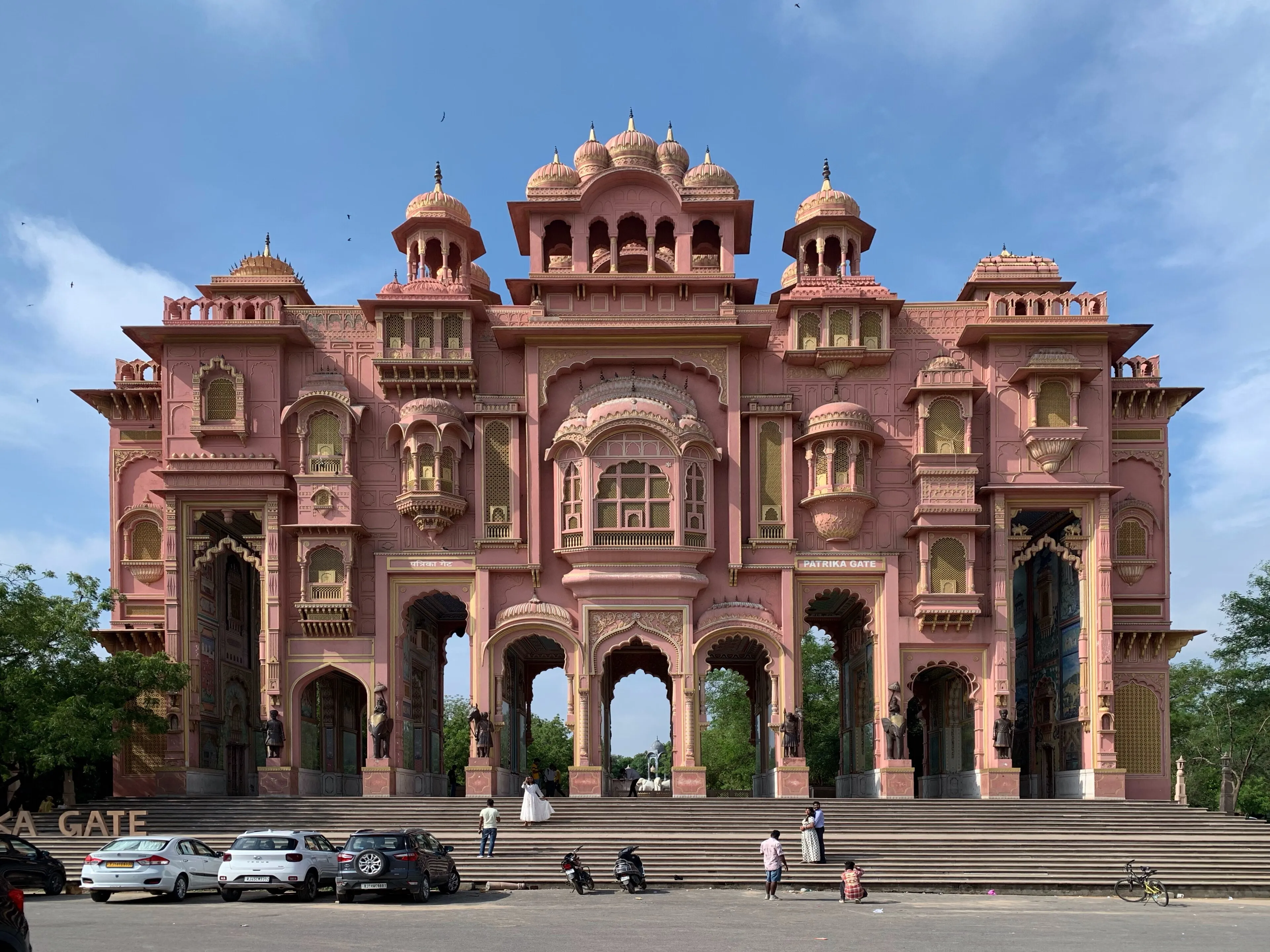
Smart casual clothing works well. Long, flowing trousers or skirts, light shirts and a scarf will take you from monuments to restaurants. Bring a warm layer for cool winter mornings at the Taj Mahal.
The Rajasthan desert
Desert days can be hot and bright while nights, especially in winter, can be close to freezing. If you are staying in a desert camp, pack a proper warm layer and a hat.
Kerala and the south
Expect warmth and humidity much of the year. Light cottons and linens are ideal. Pack swimwear for the beach and your hotel, but cover up when you walk through towns and villages.
The Himalaya
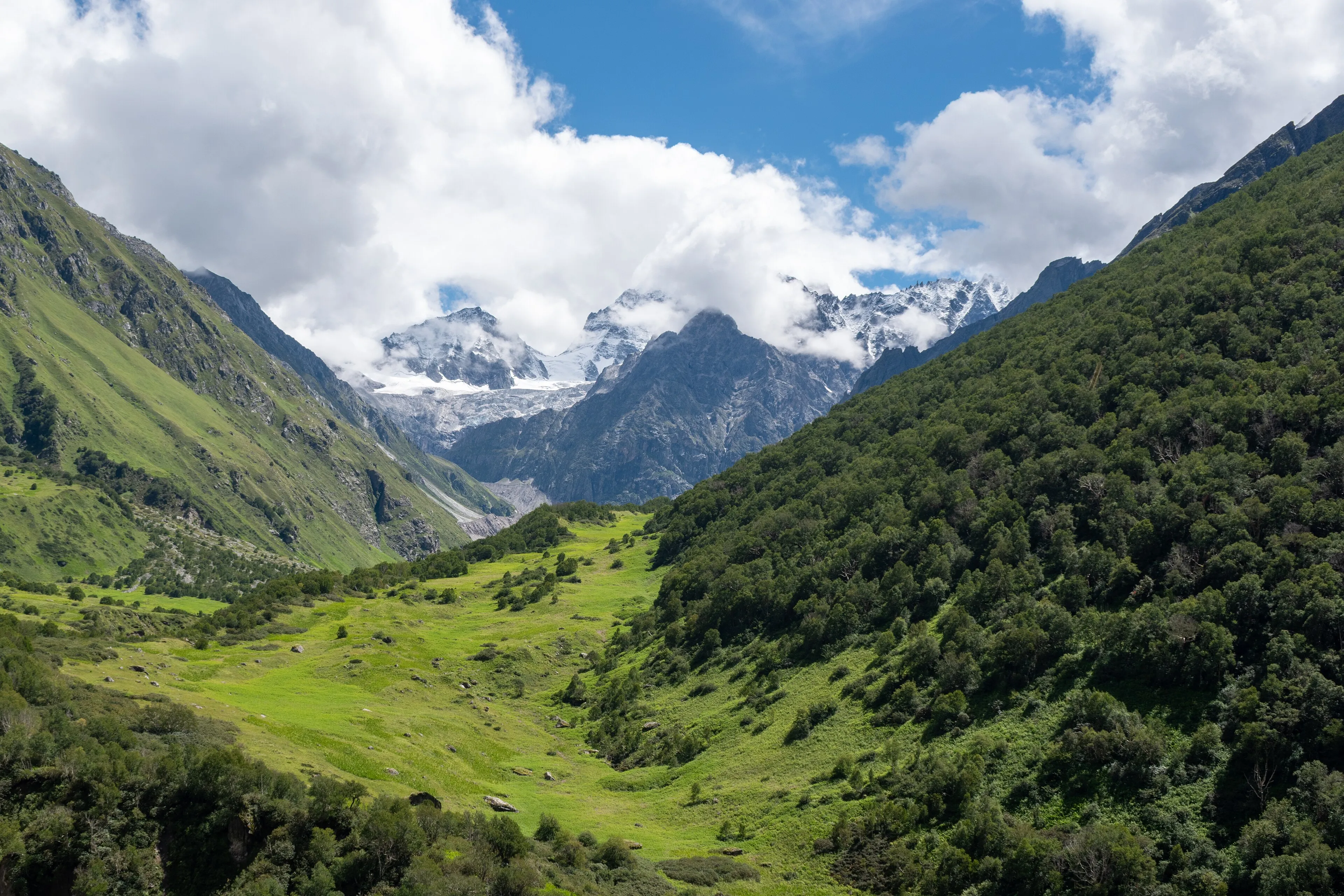
Dress in layers: a thermal base, a warm fleece and a windproof jacket. The sun is strong at altitude, so bring sunscreen, sunglasses and a hat even when the air feels cool.
Visiting temples, mosques and gurdwaras
- Cover your shoulders and knees.
- Remove your shoes before entering. Socks are useful on hot stone floors.
- At gurdwaras, Sikh temples, everyone covers their head. Scarves are often available at the entrance, but it is easier to bring your own.
- Some temples have additional rules, such as no leather. Your guide will let you know.
Tips for women travellers
Long skirts, loose trousers, tunics and maxi dresses are comfortable and appropriate almost everywhere. Many travellers love buying a few kurtas or block-printed scarves early in their trip. They are light, beautiful and perfectly suited to the climate.
Tips for men
Light trousers or chinos and short-sleeved or linen shirts are ideal. Shorts are fine at the hotel and in resort areas, but long trousers are better for religious sites and smarter restaurants.
What to leave at home
- Heavy denim, which is hot and slow to dry
- Very revealing clothing
- Too many shoes; two or three pairs are plenty
- Expensive jewellery you would be sorry to lose
Your India packing checklist
- Lightweight cotton or linen clothing
- A warm sweater or fleece for cool mornings and nights
- A light jacket
- A scarf or shawl
- Comfortable walking shoes and a pair of slip-ons
- Sunglasses, a sun hat and sunscreen
- Insect repellent
- A reusable water bottle with a filter
- A small daypack
- Universal travel adapter
Frequently asked questions
Can I wear shorts in India?
Yes, in hotels, resorts and on the beach. In cities and at religious sites, long trousers or skirts are more comfortable and more respectful.
Do I need to dress conservatively everywhere?
Not everywhere, but covering shoulders and knees is the safest choice in towns, markets and at all religious sites.
Should I buy clothes in India?
It is one of the joys of the trip. Jaipur in particular is famous for block-printed cottons, and a light kurta or scarf bought on your first day can become your most-worn piece.