The Best Time to Visit India
A Region-by-Region Guide to the Seasons
October to March suits most of India, but the country is too big for one answer. Here is when to go, region by region.
Ask ten seasoned travellers for the best time to visit India and most will say “October to March.” They are right, for most of the places a first-time visitor wants to see. But India stretches from the Himalaya to the tropics, and the right month depends entirely on where you are going.
This guide walks through India’s seasons, then region by region, so you can match your dates to the places you most want to experience.
India’s three seasons at a glance
India has three broad travel seasons. The exact timing shifts a little from year to year and from north to south.
- The cool, dry season (October to March). Clear skies and comfortable days across most of the country. This is peak travel season for Delhi, Agra, Rajasthan, Varanasi and Kerala.
- The hot season (April to June). Temperatures climb steeply across the northern plains and Rajasthan. This is the time to head for the mountains.
- The monsoon (June to September). The southwest monsoon brings heavy rain to much of the country, arriving in Kerala first, usually in early June, and spreading north.
The Golden Triangle: Delhi, Agra and Jaipur
Best months: October to March.
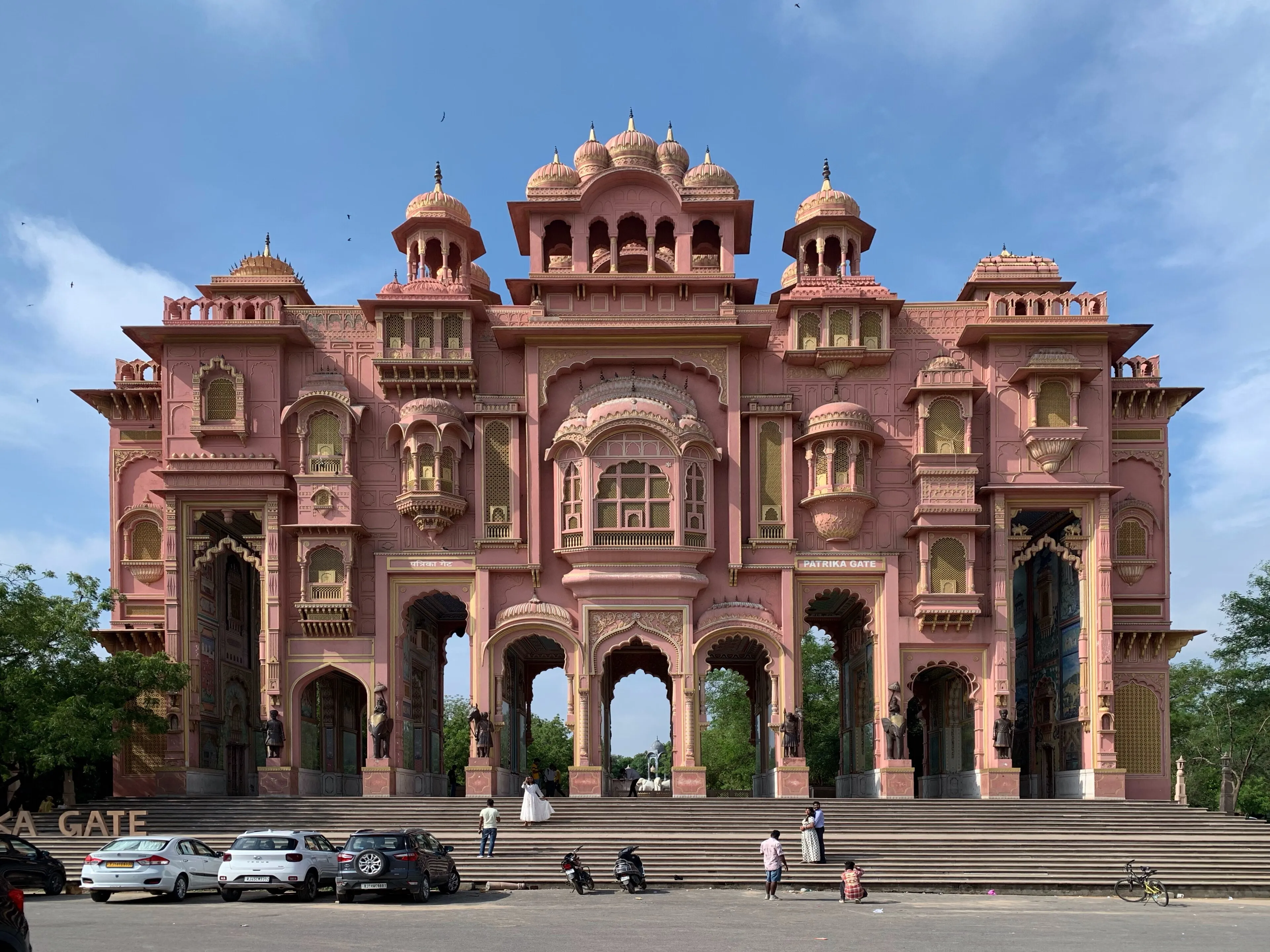
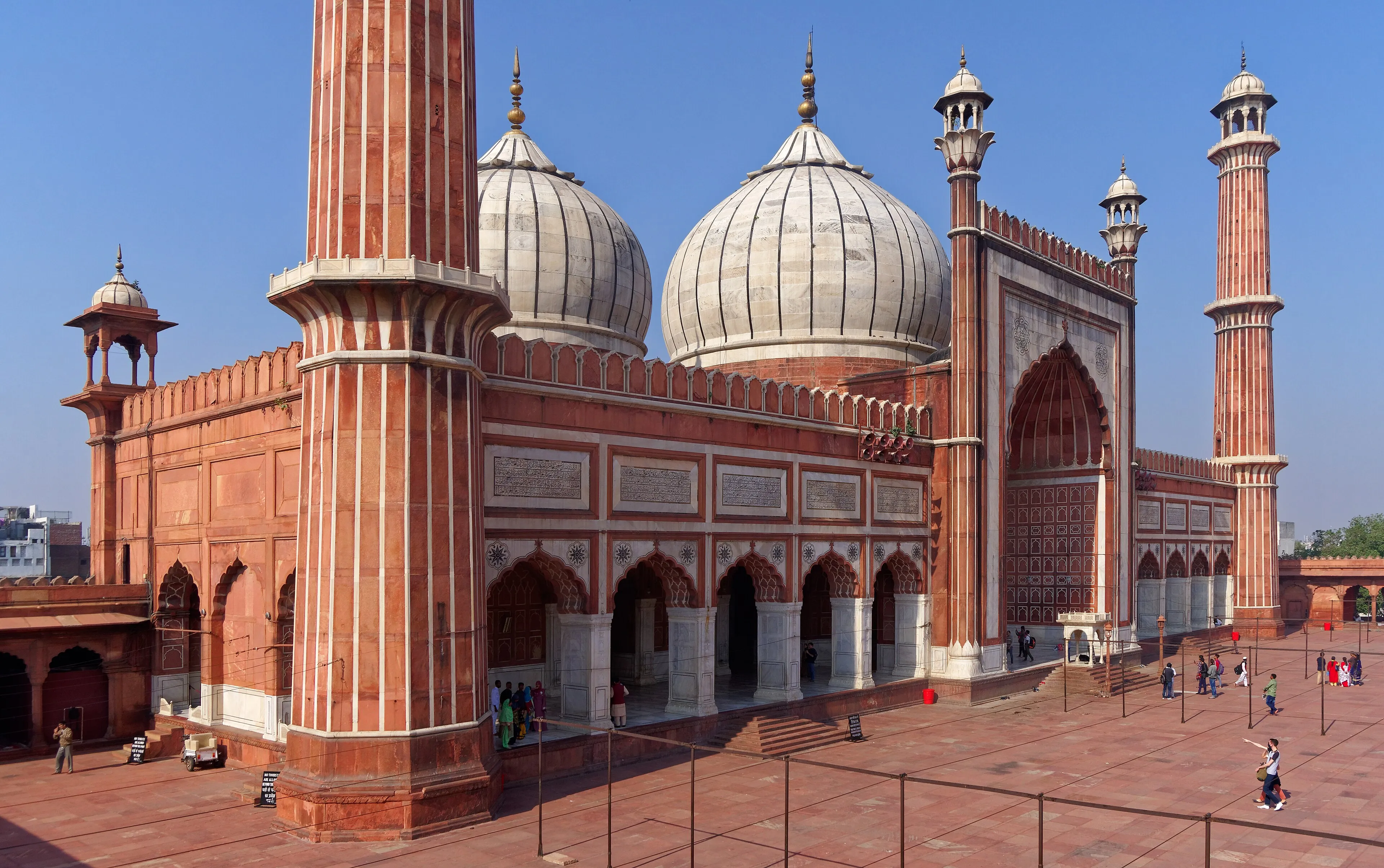
The Golden Triangle is at its finest in the cool season. October and November bring warm days and festival energy. December and January are the coolest months: mornings in Delhi and Agra can be foggy and nights genuinely cold, so pack a warm layer. February and March are bright and pleasant before the heat builds.
From April to June, daytime temperatures across the northern plains regularly pass 40°C, which makes long days of sightseeing hard work. The monsoon follows, bringing humidity and downpours.
Rajasthan
Best months: October to March.
Rajasthan’s palaces, forts and desert towns are made for the cool season. Udaipur’s lakes are usually full after the monsoon, and Jodhpur and Jaisalmer are comfortable to explore on foot.
In the Thar desert, December and January nights can drop close to freezing even after warm, sunny days. If you are planning a desert camp, bring layers. Summer is intensely hot, and many travellers avoid Rajasthan entirely from May to early September.
Kerala and the south
Best months: October to March.
Kerala’s backwaters, beaches and tea hills are at their best in the dry months. The southwest monsoon usually arrives in early June and the wettest stretch runs through June and July.
The monsoon is not without its appeal. The landscape turns an astonishing green, hotels are quieter, and the season has long been associated with Ayurvedic treatments. If you do not mind rain, it can be a rewarding time to visit.
The Himalaya and Ladakh
Best months: May to September.
The mountains reverse the usual rule. When the plains are at their hottest, the high valleys are at their best. In Ladakh, the main season runs from roughly late May to September, when the high mountain passes are usually open. In winter, many roads close under snow.
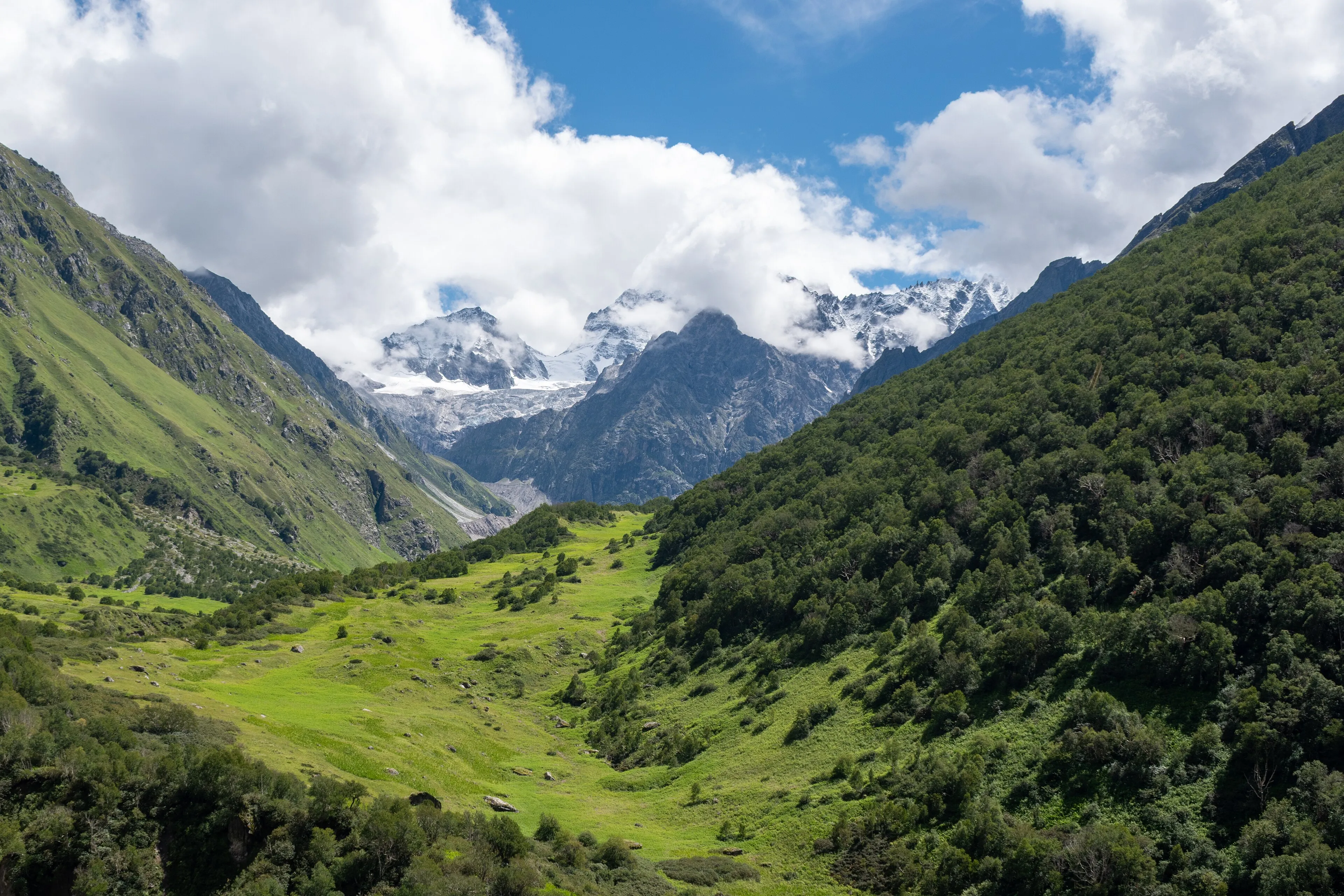
The Valley of Flowers in Uttarakhand is a seasonal wonder in its own right. It opens in summer and is famous for its blooms during the monsoon months, typically July and August.
Rishikesh and Varanasi
Rishikesh: September to November and February to April. These months are comfortable for yoga, walks along the Ganges and trips into the foothills. River rafting generally pauses during the monsoon, when the river runs high.
Varanasi: October to March. The cool months are the most comfortable time to sit on the ghats at dawn or take a boat out at sunrise. Many travellers time their visit for Dev Deepawali, when thousands of lamps line the river. It falls on the full moon of the Hindu month of Kartik, usually in November.
Festivals worth planning around
Many of India’s great festivals follow the lunar calendar, so their dates change every year. Check the exact dates before you book.
- Diwali, the festival of lights, usually falls in October or November.
- The Pushkar Camel Fair in Rajasthan is held around the full moon of Kartik, usually in October or November.
- Holi, the festival of colours, usually falls in March.
Festivals are unforgettable, but they also mean busier roads, fuller hotels and higher prices. Book early if you want to be there.
Is the shoulder season worth it?
October and March are the sweet spots for many travellers. The weather is generally kind, crowds are lighter than at the December and January peak, and hotels can be easier to secure. Late September and early April can also work in the south and the hills, but the plains will be warmer.
Frequently asked questions
What is the best month to visit India for the first time?
For a first trip that includes Delhi, Agra and Rajasthan, November and February are hard to beat: comfortable temperatures, clear skies and long, golden afternoons.
Can I visit India during the monsoon?
Yes. Kerala, Ladakh and the Valley of Flowers each have their own reasons to visit during or around the monsoon. Expect rain in most of the country and build some flexibility into your plans.
When should I avoid travelling in India?
Most travellers avoid the northern plains and Rajasthan in May and June, when the heat is at its most intense.
Planning your journey
The best time to visit India is the one that suits the places you most want to see. Our Royal Passage, an eleven-day journey from Delhi through Agra, Jaipur, Jodhpur and Udaipur, runs in the cool season for exactly that reason, with departures in January, February and March 2027. If you would like help choosing your dates, we would be glad to talk.