The Taj Mahal at Sunrise
Why It Changes Everything You Think You Know About India
Most people arrive expecting a postcard. They leave with something harder to name.
Most people arrive expecting a postcard. They leave with something harder to name. The Taj Mahal at first light is not the monument you have seen photographed a thousand times. It is something stranger, quieter, and far more affecting.
We left the hotel at 5:30 in the morning. The streets of Agra were still dark, the air cool and carrying the particular smell of a city that has not yet woken up. Our driver had done this run so many times he barely spoke. He knew the silence was the point.
The gates open at sunrise. If you arrive before then, you wait outside with a small crowd of people who all had the same idea. There is a strange camaraderie in it. Everyone knows what they are about to see, and yet no one is entirely sure what it will feel like.
The First Glimpse Through the Gate
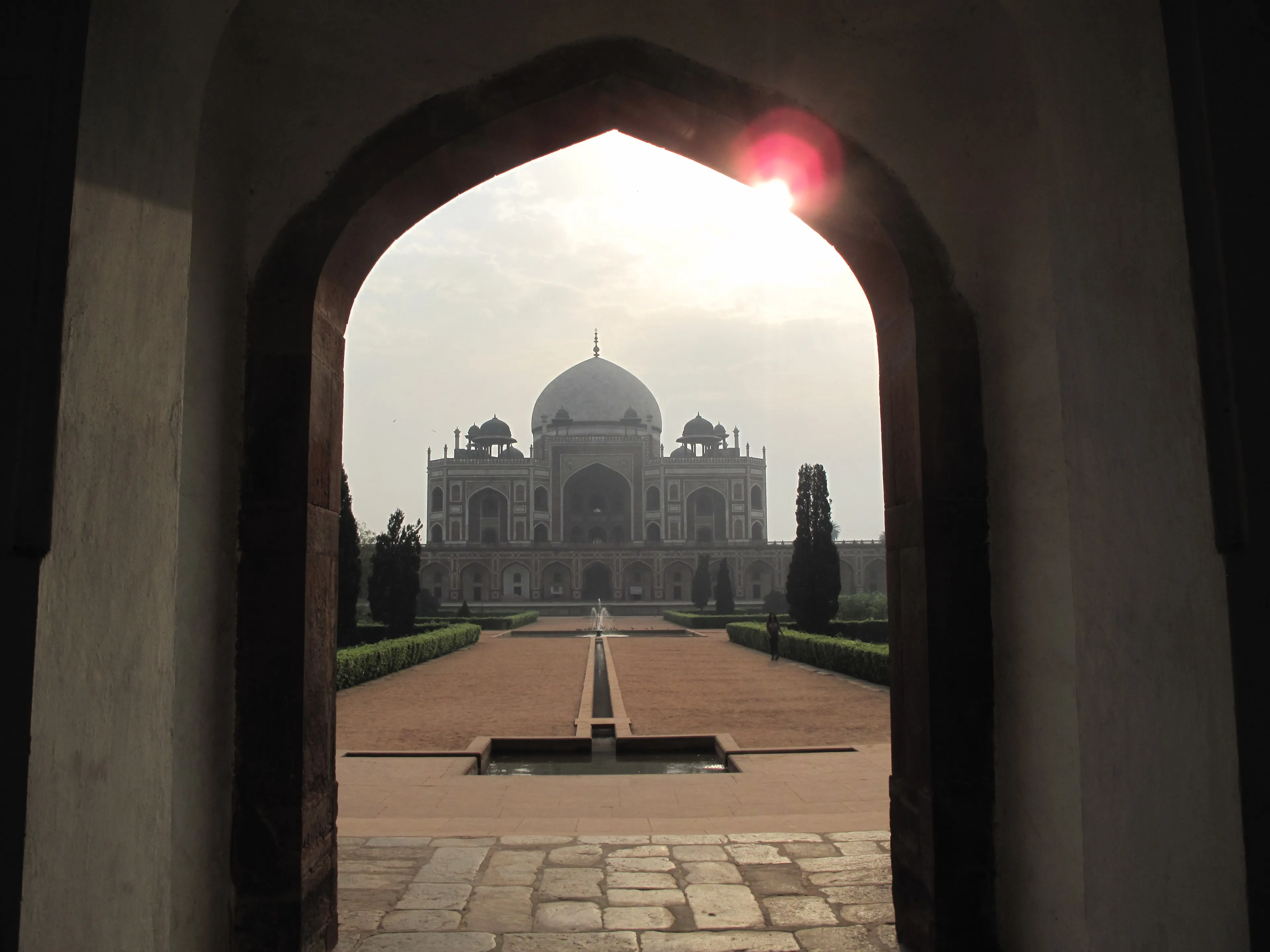
When you pass through the main gateway and the Taj appears at the end of the long reflecting pool, the first instinct is silence. Not awe exactly, though awe comes. It is more that the mind goes quiet. Every reference point you had for this building, every photograph, every description, simply falls away.
It does not look like marble. In the early morning light it looks like something between stone and air, as if it might dissolve into the sky behind it.
The light changes every few minutes. At first it is blue and grey, then a pale gold begins to work its way across the dome. By the time the sun clears the horizon the whole structure is warm, almost amber. It is the only building I have ever seen that appears to breathe.
What the Guidebooks Do Not Tell You
The Taj is not silent. Even at 6 AM there are birds, the distant sound of the city, the shuffle of footsteps on sandstone. But these sounds do not diminish the experience. They root it. They remind you that this is a real place, not a rendering.
Practical notes
Arrive at the east gate rather than the main south gate. The queues are shorter and the walk through gives you a slightly different angle of the first reveal. Bring a light layer as the mornings are cool even in October. And leave your phone in your pocket for the first five minutes. Just look.
The monument is closed on Fridays. Entry for foreign visitors is currently around 1,100 rupees. The grounds are large enough that even with crowds you can find a quiet corner by the riverbank behind the main structure, where almost no one goes.
We stayed for two hours. When we left, none of us spoke much on the drive back. That is, I think, the truest measure of a place.